Blog
What Is a Bomber Jacket? History, Styles, and How to Wear One

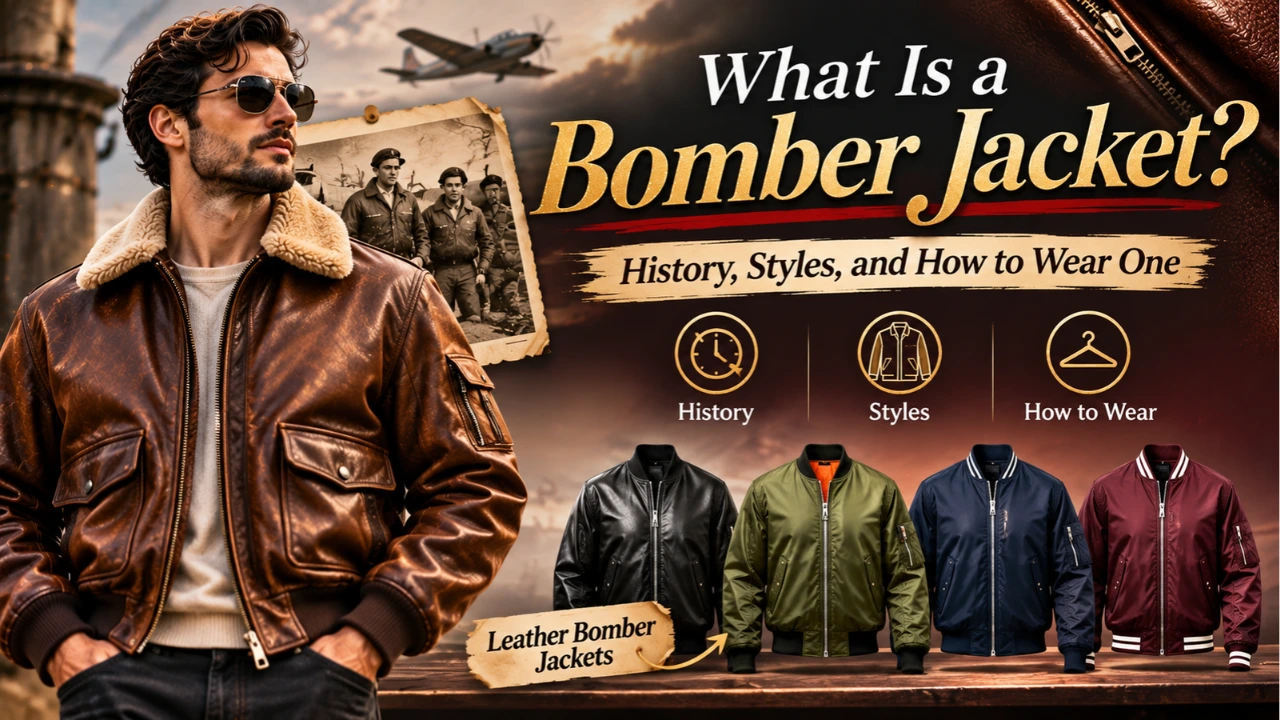
A bomber jacket is a waist-length jacket with ribbed knit cuffs, a matching hem and collar, a full-length front zipper, and a slightly rounded body. Its defining features create a fitted shape around the waist and wrists while leaving extra room through the chest and shoulders.
However, not every short zip-up jacket is a true bomber. Many styles sold under this name have different cuts, collars, and details, which can make choosing the right one confusing. This guide explains how to identify a genuine bomber, explores its history and popular styles, and shows how to wear one. You will also discover what makes leather bomber jackets different from other outerwear options.
What Is a Bomber Jacket?
A bomber jacket is a short outerwear style designed with a fitted waist, ribbed edges, and a front zipper. Its shape keeps the jacket close to the body while allowing enough room through the chest and shoulders for comfortable movement.
The Four Features That Define a Bomber Jacket
Cropped Waist-Length Body: A traditional bomber jacket ends around the hip bone rather than extending down the thighs. This shorter length originally suited military pilots because it reduced extra fabric around the waist and allowed them to sit comfortably in tight cockpit seats.
Ribbed Knit Cuffs, Hem, and Collar: Ribbed knit sections at the wrists, waist, and neckline help keep the jacket in place and reduce cold air entering around the edges. These details also create the snug finish that makes a traditional bomber easy to recognize.
Full-Length Front Zip: A bomber jacket has a zipper running from the bottom hem to the collar, making it easy to put on, remove, and adjust for changing temperatures. The front opening also suited pilots who needed practical outerwear that worked with their flight equipment and parachute harnesses.
Bloused Silhouette: The body usually has extra room through the chest and shoulders, then gathers at the ribbed waistband. This creates a slightly rounded or puffed appearance rather than a straight, tightly fitted shape.
If a jacket lacks the characteristic ribbed knit details, especially at the waist, it does not meet the traditional bomber definition, regardless of how a retailer labels it.
Bomber Jacket vs. Flight Jacket
A flight jacket is the broader category, and every bomber jacket is a type of flight jacket, but not every flight jacket is a bomber. Flight jackets include several military designs developed for different aircraft, climates, and flying conditions. For example, the B-3 features a heavy sheepskin body and a wide shearling collar, while the G-1 has a leather shell and a fur collar. Both were designed for pilots, but their construction differs from the traditional bomber’s ribbed knit collar, cuffs, and waistband. Retailers sometimes group these styles under bomber jackets, which can make the terms confusing.
Bomber Jacket vs. Harrington vs. Varsity
A Harrington jacket usually ends around the hips and features a point collar, front zipper, and lightweight construction, but it generally does not have the bomber’s gathered ribbed waistband. Its shape is usually cleaner and straighter, making it easy to distinguish from a traditional bomber.
A varsity jacket shares the bomber’s short body and ribbed cuffs and hem, but it traditionally has a wool body, contrasting sleeves, and a snap-button front instead of a full-length zipper. These details give it a distinct collegiate look, even though both styles have a similar overall shape.
Why Is It Called a Bomber Jacket?
The name “bomber jacket” comes from the bomber crews who wore these jackets while flying in unpressurized and unheated aircraft. They needed insulated outerwear to stay warm at high altitudes, where cockpit temperatures could become extremely cold. However, crews flying other types of aircraft also wore similar jackets. This is why flight jacket is the more accurate umbrella term for this style of military outerwear. Today, bomber jackets are available in many materials and designs, alongside related styles such as leather varsity jackets.
The History of the Bomber Jacket
The bomber jacket did not develop through fashion trends; each major design change responded to the needs of pilots and the aircraft they flew. As cockpits became warmer, aircraft became faster, and flight equipment changed, military jackets evolved to provide the right balance of warmth, comfort, and movement.
The A-1 and A-2 (1920s–1930s)
The A-1, introduced in 1927, was the first standardized flight jacket used by the US Army Air Corps. It featured a horsehide or goatskin leather body, a button-front closure, and knitted cuffs, collar, and waistband to help retain warmth. During the early 1930s, the A-2 replaced the A-1 with a full-length front zipper and a leather shirt-style collar instead of the knitted collar. These changes made the jacket easier to wear while maintaining its practical flight design. The A-2 became especially important because its leather construction, fitted shape, and front zipper established the basic look that later leather flight jackets continued to follow.
The B-3 and High-Altitude Warmth
Introduced in the 1930s, the B-3 was designed for bomber crews flying at high altitudes in aircraft without heated cockpits. Its thick sheepskin construction featured natural wool fleece on the inside and a leather exterior, providing insulation against extremely cold conditions. The heavy material added considerable warmth but limited movement compared with lighter flight jackets. Although retailers sometimes group it with bomber jackets, the B-3 is technically a flight jacket rather than a traditional bomber because it has a large shearling collar instead of a ribbed knit collar and cuffs. Explore our B-3 bomber jackets to see this cold-weather flight style.
The B-15 and the Move to Nylon
By the 1940s, changes in aircraft design made lighter flight equipment increasingly important. The B-15, introduced in 1944, marked a major shift from traditional leather construction by using a lightweight nylon shell. This material reduced the jacket’s weight while still offering practical protection for pilots. However, the B-15 retained a mouton fur collar for warmth around the neck. Its design reflected the changing demands of military aviation, where pilots needed outerwear that supported greater mobility without sacrificing essential insulation.
The MA-1: The Template for Every Modern Bomber
Developed around 1949 and adopted by the US military in the early 1950s, the MA-1 brought another important change to flight jacket design. It replaced the B-15’s bulky fur collar with a ribbed knit collar, allowing pilots to move their heads more freely and wear helmets and harnesses comfortably. The jacket also featured a lightweight nylon shell, ribbed cuffs and waistband, and a front zipper. These details created the familiar bomber silhouette that most people recognize today. In 1963, Alpha Industries received a military contract to manufacture flight jackets, including the MA-1, helping bring this military design into wider civilian use. The MA-1 remains the closest reference for the modern bomber jacket, showing how a practical aircraft requirement eventually shaped an everyday clothing style.
The common thread: From the A-1 to the MA-1, every major change served a practical aviation need. The bomber jacket’s familiar shape came from decades of adapting to aircraft, temperatures, and flight equipment—not from changing fashion trends.
Why Is It Called a Bomber Jacket?
The name “bomber jacket” comes from the bomber crews who wore these jackets while flying in unpressurized, unheated aircraft. They needed warm, protective clothing to handle extremely cold conditions at high altitudes. However, crews of other aircraft also wore similar jackets, which is why flight jacket is the more accurate umbrella term. Today, bomber-inspired styles also include options such as leather varsity jackets.
The History of the Bomber Jacket
The bomber jacket evolved because military aircraft and flying conditions kept changing, creating new demands for warmth, weight, and movement. Each major design update answered a practical need in the cockpit rather than a change in fashion.
The A-1 and A-2 (1920s–1930s)
The A-1 became the first standardized flight jacket adopted by the US Army in 1927. It was commonly made from horsehide or goatskin and featured a button-front closure, knitted collar, cuffs, and waistband to help keep pilots warm in open cockpits. In 1931, the A-2 replaced the A-1, introducing a full-length front zipper instead of buttons and a leather shirt-style collar instead of the knitted collar. It retained the knitted cuffs and waistband while giving pilots a more practical front closure. The A-2 matters because its leather body, waist-length cut, and zip-front design became the model that later leather flight jackets continued to follow.
The B-3 and High-Altitude Warmth
The B-3, issued in 1934, was developed for pilots and bomber crews flying at high altitudes in open or unheated aircraft. Its thick sheepskin construction placed natural wool fleece against the body and leather on the outside, providing insulation against extreme cold. This design prioritized warmth over mobility, making the jacket considerably heavier and bulkier than earlier leather flight jackets. Although often marketed as a bomber today, the B-3 is technically a flight jacket rather than a traditional bomber because its tall shearling collar and construction do not match the ribbed-knit details that define a bomber.
The B-15 and the Move to Nylon
Introduced in 1944, the B-15 reflected the growing need for lighter flight clothing as aircraft technology advanced. Instead of relying entirely on heavy leather, it used a lighter outer shell made from nylon or cotton-rayon blends, reducing weight while maintaining practical protection. The jacket also retained a mouton fur collar for warmth around the neck and included details such as oxygen-mask straps and a sleeve pocket for pens. The B-15 marked an important transition from traditional leather flight jackets toward the synthetic materials used in later military designs.
The MA-1: The Template for Every Modern Bomber
First developed in 1948 and introduced to the US military in 1949, the MA-1 built on the B-15 design but made several important changes. Its most recognizable update was replacing the bulky mouton fur collar with a ribbed knit collar, giving pilots more room around the neck when wearing helmets and flight equipment. The nylon shell also made the jacket lighter and better suited to changing cockpit conditions. Together with its ribbed cuffs, waistband, and front zipper, these features created the silhouette most people recognize as a bomber jacket today. In 1963, Alpha Industries received its first military production contracts for the MA-1, helping establish the design’s wider production and recognition. Its familiar shape still influences modern bomber jackets more than seventy years later.
The common thread: From the A-1 to the MA-1, every major design change responded to developments in aircraft, cockpit conditions, and pilot equipment. The bomber jacket’s familiar appearance came from practical aviation requirements, not changing fashion trends.
Historical accuracy note: The B-15 was not exclusively a nylon-shell jacket; historical descriptions also identify cotton-rayon versions. Also, Alpha Industries’ 1963 contract marked its MA-1 military production milestone, while the company says it entered the commercial market in 1970.
Why the Lining Was Orange
The MA-1’s reversible orange lining was designed for emergency visibility, not as a fashion detail. If a pilot survived a crash or had to leave the aircraft, they could turn the jacket inside out to expose its bright orange side. The high-visibility color helped search-and-rescue crews spot downed airmen from the air, especially in difficult terrain.
From Military Surplus to Street Style
The bomber jacket entered civilian wardrobes through military surplus stores before fashion designers began reworking it. As MA-1 jackets became available to the public, their practical shape, lightweight construction, and military appearance attracted people looking for something different from conventional casual clothing. During the late 1960s and 1970s, British skinheads adopted the jacket as part of their working-class street style. Punks and other youth movements adopted the jacket in different ways, while LGBTQ+ communities used it to challenge some of its more aggressive masculine associations. In later decades, the bomber also found a place in hip-hop, club culture, and mainstream streetwear. Fashion designers eventually reinterpreted its familiar shape through new cuts, colors, and materials. Today, the style extends well beyond military-inspired nylon, with leather and suede bombers becoming prominent choices in retail collections.
The Top Gun Jacket Is Not an MA-1
The leather jacket worn by Maverick in the original Top Gun film is a G-1 flight jacket, not an MA-1 bomber. The G-1 features a goatskin leather body, a distinctive fur collar, and military patches associated with US Navy aviation. Its construction is quite different from the nylon shell and ribbed knit collar of the MA-1, although both belong to the wider flight jacket family.
Types of Bomber Jackets
Bomber jackets come in several styles, with differences in materials, collar designs, weight, and overall appearance. The table below compares the most common types to help you understand their features and choose a style that suits your needs.
| Style | Key Features | Best For |
| Leather Bomber | Cowhide or lambskin, ribbed knit trim, front zipper | Everyday wear and smart-casual outfits |
| V-Neck Bomber | Bomber shape with a V-shaped neckline | Layering over shirts and lightweight tops |
| Suede Bomber | Soft, textured finish with a relaxed drape | Mild weather and casual outfits |
| B-3 Shearling | Thick sheepskin with natural fleece lining | Very cold weather and extra insulation |
| Aviator / Pilot Jacket | Heavy construction with a fur or shearling collar | Cold-weather outfits and vintage-inspired looks |
| Varsity Jacket | Wool body, contrasting sleeves, snap-button closure | Relaxed, sporty, and collegiate outfits |
| Nylon MA-1 | Lightweight nylon shell, ribbed trim, front zipper | Streetwear and everyday casual use |
Leather Bomber Jackets
Leather bomber jackets combine the traditional bomber shape with a durable leather exterior. Common options include cowhide and lambskin, offering different levels of structure and softness. Ribbed cuffs, a matching waistband, and a front zipper maintain the familiar bomber appearance. You can wear one with jeans and a T-shirt for a relaxed outfit or layer it over a shirt for a cleaner smart-casual look.
V-Neck Bomber Jackets
V-neck bomber jackets feature a neckline that forms a V-shaped opening instead of the traditional rounded collar. This design creates extra space around the neck and makes layering easier, especially when wearing a collared shirt underneath. It keeps the short, gathered bomber silhouette while giving the jacket a slightly different finish.
Suede Bomber Jackets
Suede bombers use leather with a soft, napped surface that gives the jacket a more textured appearance than smooth leather. Their finish often creates a relaxed look and works well with neutral colors such as tan, brown, beige, and olive. Pair a suede bomber with denim, chinos, or simple knitwear for everyday outfits.
B-3 Shearling Jackets
B-3 jackets are made from sheepskin with the natural fleece left attached to the inside. This thick construction provides substantial insulation, making them suitable for very cold conditions. Their heavy body, wide shearling collar, and adjustable straps create a distinctive military-inspired appearance. Although often sold alongside bomber jackets, the B-3 is technically a flight jacket rather than a traditional bomber.
Aviator and Pilot Jackets
Aviator and pilot jackets cover a broader group of flight-inspired designs, including styles with leather shells, heavy construction, and fur or shearling collars. They were developed to protect pilots from cold conditions during flight, so warmth and practical construction are central to their design. Their vintage appearance makes them a popular choice for winter outfits and classic outerwear looks.
Varsity Jackets
Varsity jackets share the short shape and ribbed cuffs and waistband commonly found on bomber jackets, but their construction is different. They typically feature a wool body, contrasting leather or fabric sleeves, and a snap-button front rather than a zipper. Their sporty appearance works well with jeans, T-shirts, hoodies, and sneakers for casual everyday outfits.
Nylon MA-1 Jackets
The nylon MA-1 is the military flight jacket design that strongly influenced the modern bomber silhouette. It features a lightweight nylon shell, ribbed knit collar, cuffs, and waistband, and a front zipper. Its practical construction makes it suitable for layering during mild or cool weather, while its military-inspired appearance fits naturally into streetwear and casual clothing.
Leather vs. Suede vs. Nylon: Which Should You Choose?
Your choice depends on how often you plan to wear your bomber jacket, how much maintenance you can manage, and how long you expect it to last. Cowhide leather is the best option if durability matters most. It is heavier than other materials but handles regular wear well. Lambskin leather suits buyers who prefer a softer, lighter jacket with a more natural drape, although it can develop scratches and marks more easily. Suede is a good choice if appearance and texture are your priorities, but it needs extra care because its surface can absorb moisture and show stains. Nylon is usually the most affordable entry-level option and works well for casual, lightweight wear, but it generally offers less long-term durability than quality leather. Choose cowhide for long-term use, lambskin for comfort, suede for appearance, and nylon for a lower-cost casual jacket.
Are Bomber Jackets Warm Enough for Winter?
A standard nylon or unlined leather bomber is usually a three-season jacket rather than a reliable choice for freezing winter temperatures. It can handle mild and cool weather, but colder conditions require better insulation. For genuine winter warmth, choose a shearling bomber or a leather bomber with a quilted insulated lining.
Bomber Jackets for Women
Women’s bomber jackets often feature shorter body lengths, narrower shoulders, and more fitted shapes than traditional men’s designs. Cropped versions create a different styling option by drawing attention to the waist and pairing easily with high-waisted jeans, skirts, and dresses. Relaxed and oversized cuts offer a more casual appearance and work well with fitted tops or layered outfits. Depending on the material and design, women can choose leather, suede, nylon, or shearling styles. Explore our women’s bomber jackets to find different cuts and designs for everyday wear.
How Should a Bomber Jacket Fit?
A well-fitting bomber jacket should sit around your hip bone, with the shoulder seams ending at the natural edge of your shoulders. It should leave enough room for a sweater underneath while allowing the ribbed cuffs to gather gently around your wrists. The fit should feel comfortable without looking oversized or restrictive.
1. Shoulders
The shoulder seam should sit at the outer edge of your natural shoulder, where your shoulder meets your upper arm. If the seam falls too far down your arm, the jacket will look oversized, while a seam that sits too high can restrict movement. Shoulder fit is especially important because adjusting it later can be difficult and expensive.
2. Length
The bottom hem should reach approximately the top of your hip bone, with the ribbed waistband sitting comfortably against your body. It should stay in place when you raise your arms rather than riding up too far. If the jacket extends well below your hips, it no longer has the traditional cropped bomber proportions.
3. Sleeves
Bomber jacket sleeves should end around your wrist bone, with the ribbed cuffs gathering slightly around your wrists. This creates a neat finish without making the sleeves feel tight or leaving too much extra fabric around your hands. You should be able to bend your arms and move comfortably without the sleeves pulling back excessively.
4. Chest and Layering Room
Your bomber jacket should have enough chest room to accommodate a sweater or sweatshirt underneath while keeping the front zipper comfortably closed. The slightly rounded shape is intentional because the fabric gathers at the ribbed waistband, creating a fuller appearance around the lower torso. This is different from a fitted biker jacket, even when both have the same chest measurement. Many buyers make the mistake of sizing down because they want a slimmer look, but this can leave too little room for layering and restrict movement. Choose a size that provides comfortable space without making the shoulders or sleeves look oversized.
What to Do If You’re Between Sizes
If your measurements fall between two sizes, choosing the larger option is usually the safer choice. A jacket with a little extra room through the body can be adjusted by a tailor more easily than one that feels tight across the shoulders, chest, or arms. A smaller size may also limit your movement and leave insufficient space for wearing a sweater underneath. Before placing your order, compare your chest, shoulder, sleeve, and waist measurements with our size charts to find the closest match. If standard sizing still does not provide the fit you want, consider our custom orders, where you can request a jacket made to your measurements for a more comfortable and personalized fit.
How to Wear a Bomber Jacket
A bomber jacket works with different outfits depending on its material, color, and fit. The easiest way to style one is to build your outfit around the jacket and choose simple pieces that balance its shape without making the overall look too busy.
1. The Everyday Default
Pair a black leather bomber with a white T-shirt, straight-leg indigo jeans, and white leather sneakers for a clean everyday look. The jacket adds enough structure, while the simple pieces keep the outfit balanced and effortless.
2. Smart Casual
Pair a brown or tan suede bomber with a light-colored Oxford shirt or a fine-gauge knit sweater. Add charcoal wool trousers and dark brown Chelsea boots to create a balanced smart-casual outfit. The soft suede texture adds warmth and character, while the tailored trousers keep the look neat and polished. Choose a slim-fitting shirt or sweater underneath to avoid extra bulk and let the bomber stand out.
3. Cold Weather
Wear a B-3 shearling jacket over a fitted heavyweight sweater, dark straight-leg jeans, and sturdy lace-up boots. The thick shearling provides warmth, while slim layers underneath keep the outfit balanced and comfortable for winter outings.
Styling a Cropped Bomber
A cropped leather bomber looks best when paired with high-waisted pieces that balance its shorter length. Try wearing it with high-waisted straight-leg denim and ankle boots for a casual outfit, or combine it with a midi skirt and fitted top for a more polished look. The key rule is to match a cropped jacket with a high waistline. Wearing it with low-rise trousers can cut the body at an awkward point and make the overall proportions look unbalanced.
Can You Wear a Bomber Jacket to the Office?
Yes, a bomber jacket can work in most business-casual offices when you choose the right material and finish. A clean leather or suede bomber layered over a collared shirt looks neat with tailored trousers and leather shoes. However, a nylon MA-1 with military patches is generally too casual for a professional setting. The material and detailing matter more than the bomber silhouette itself.
Four Styling Mistakes to Avoid
Pairing It with Another Cropped Layer: Wearing a cropped bomber over another short jacket or top can create competing hemlines. Choose a longer T-shirt, shirt, or sweater underneath to create a cleaner layered look.
Leaving It Open Without Considering the Shape: A bomber has a naturally bloused body, so wearing it open can sometimes make the outfit look loose and unfinished. Zip it up when you want a neater silhouette.
Choosing an Oversized Fit: Bomber jackets need some room, but buying several sizes too large can make the shoulders, sleeves, and waistband look unbalanced. Choose a fit that allows comfortable movement without swallowing your frame.
Matching Black Leather with More Black Leather: Pairing a black leather bomber with black leather trousers or shoes can make the outfit look too uniform. Break up the combination with denim, knitwear, suede, or another contrasting texture.
What to Look For When Buying a Bomber Jacket
Before buying a bomber jacket, check more than its appearance or price. Use this checklist to compare materials, construction, hardware, fit, and return conditions across different retailers. These details can help you identify a well-made jacket and avoid paying for a design that may not hold up to regular wear.
1. Leather Type
Check which type of leather the retailer uses instead of relying on a general “genuine leather” label. Cowhide offers a heavier, durable structure for regular wear. Lambskin feels softer and lighter, with a smoother drape. Goatskin provides a balance of flexibility and durability, while sheepskin is commonly used for insulated shearling jackets with natural fleece attached. A reliable product listing should identify the material clearly so you know what you are buying.
2. Ribbing Quality
Inspect the ribbed collar, cuffs, and waistband because these parts help maintain the bomber’s shape. Wool or wool-blend knit generally offers better shape recovery after stretching. Lower-quality acrylic trim may lose its elasticity with regular use, leaving loose cuffs and a waistband that no longer sits properly. Check whether the ribbing looks firm, evenly knitted, and securely attached.
3. Zipper and Hardware
Look for a branded zipper, preferably from a recognized manufacturer such as YKK, rather than an unmarked plastic fastening. Metal zippers generally offer a more substantial construction, while a two-way zipper can be useful on longer jacket designs. Check that the zipper moves smoothly without catching the lining or separating under light pressure.
4. Lining
Check whether the jacket has a quilted, satin, viscose, or other suitable inner lining, and make sure it is properly secured at the seams. A fully stitched lining helps prevent fabric from twisting or bunching when you put the jacket on. Unlined leather bombers can feel colder than expected and may cling to your arms, especially when worn over short sleeves.
5. Stitching at Stress Points
Pay particular attention to the shoulder seams, armholes, underarms, and pockets. These areas experience repeated pulling during everyday movement, so weak stitching can cause problems over time. Look for neat, even seams and reinforced or double stitching where the jacket experiences the most tension.
6. Return and Exchange Terms
Before ordering online, read the retailer’s return and exchange policy, especially the rules for changing sizes. Check the return window, whether size exchanges are accepted, who pays return & shipping, and whether customized jackets qualify. A retailer should explain these conditions clearly so you understand your options if the jacket does not fit as expected.
What to Check at MotoCollection
MotoCollection product listings specify materials and construction details by design. For example, the Carl Flying Aviator B3 Bomber lists genuine leather, shearling-fur lining, and a YKK zipper, while the Kayla Red Fur Sheep Bomber lists a viscose lining, front zipper, and rib-knit cuffs. Selected styles offer sizes S–4XL and custom sizing. Check each product description for its exact construction details, and review the Refund and Returns Policy before ordering, as conditions for customized products may differ.
Final Thoughts
A bomber jacket is a waist-length, zip-front style with ribbed cuffs, a collar, and a gathered hem. These details distinguish traditional bombers from other flight-inspired designs, including B-3 shearling, G-1 aviator, Harrington, and varsity jackets.
The material determines how you can wear it. Nylon suits lightweight, three-season outfits, leather works well for everyday use, and shearling offers better warmth in winter. Before buying, check the shoulder fit, jacket length, sleeve cuffs, lining, and room for layering. Understanding these details will help you choose a bomber jacket that matches your style, comfort, and weather needs.