

Blog
How to Clean a Shearling Leather Jacket Without Ruining It

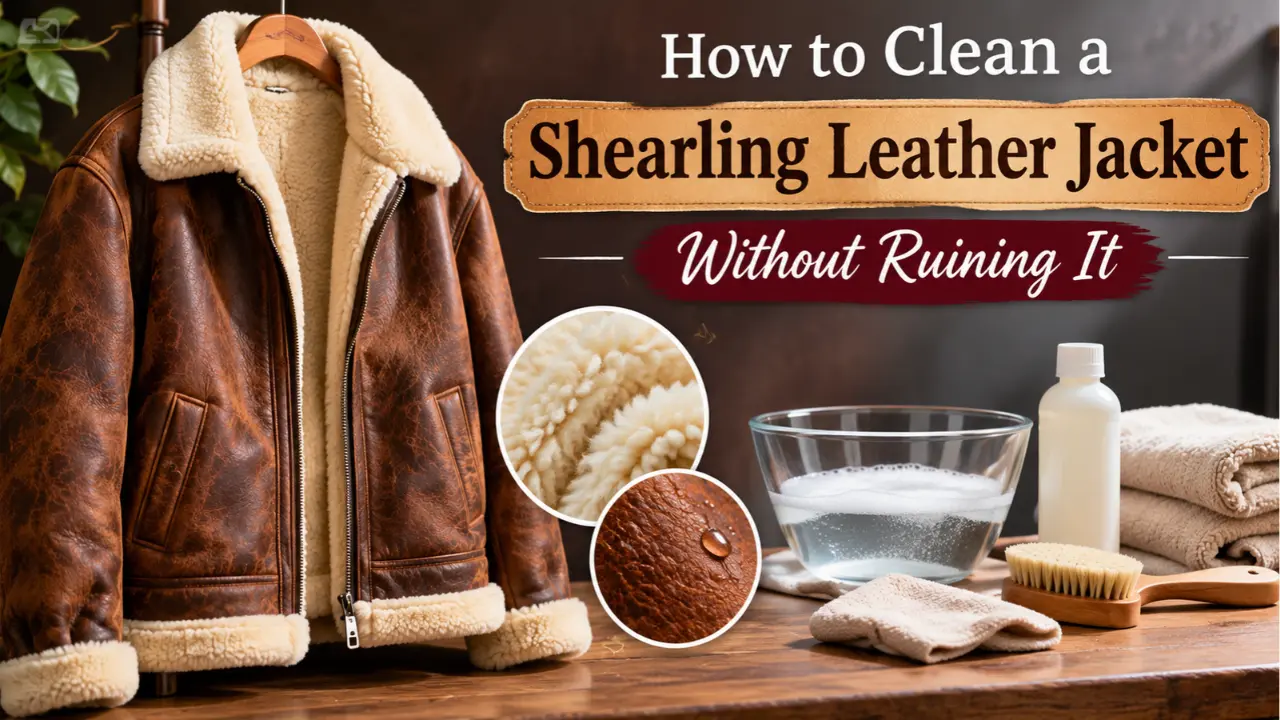
The advice to fill a basin with lukewarm water and mild detergent, then submerge your shearling leather jacket, may seem like an easy cleaning solution, but it can actually cause permanent damage. Soaking the jacket can stiffen its leather shell and mat the wool beyond repair. The stakes are high because real shearling is sheepskin with the fleece still attached to the hide, meaning you are cleaning two materials that require very different care. If you own one of these men’s shearling jackets or women’s shearling jackets, this guide will show you a safe at-home cleaning method, practical ways to remove stains and odors, and the warning signs that tell you when to stop cleaning before you ruin your jacket.
What Shearling Actually Is, and Why It Changes How You Clean It
Shearling is genuine sheepskin that has been tanned with its natural fleece still attached. One side has soft wool, while the other has a leather surface, making both parts of the same hide. The leather shell usually comes in two finishes: suede and smooth nappa. Suede has a soft, raised texture that absorbs water quickly, while nappa has a sealed, smoother surface that offers slightly more protection. This difference matters when choosing cleaning products and methods, especially for B3 bomber jackets and traditional aviator styles.
How to Tell Real Shearling from Faux
The easiest way to identify real shearling is to check the care label or examine the material beneath the fleece. Genuine shearling has a natural leather backing with wool attached, while faux shearling uses a woven or knitted fabric base. Synthetic versions often contain polyester fibers and may allow cold machine washing. Therefore, always check the material before following any cleaning instructions.
Real shearling needs extra care because water can damage the natural hide and remove its essential oils. Similarly, direct heat can cause the leather to shrink, harden, or lose its natural shape. These changes can be difficult to repair, so always handle genuine shearling carefully to maintain its softness, quality, and long-lasting appeal.
How Often Shearling Actually Needs Cleaning
Shearling doesn’t need frequent deep cleaning because its natural lanolin helps the wool resist dirt and unwanted odors. In most cases, a thorough cleaning once a year is enough if you maintain the jacket properly. Cleaning it too often can do more harm than good because every wet cleaning removes some of the natural oils from the leather, leaving it dry and less flexible. Instead of washing the entire jacket regularly, follow a simple maintenance routine to keep the fleece fresh and the leather in good condition.
How Often Should You Care for Your Shearling Jacket?
- After Every Wear: Hang your shearling jacket on a padded hanger in a well-ventilated room for a few hours to release trapped moisture and everyday odors. Gently brush the fleece to remove loose dust and keep the wool fibers fresh without unnecessary washing.
- Monthly During the Season: Give your jacket a little extra attention by brushing the fleece lining with a soft-bristled brush and removing surface dust from the leather shell. Use a clean, dry, or slightly damp white microfiber cloth when needed, depending on the leather finish.
- Once Per Season: Inspect the leather shell for signs of dryness or stiffness and apply a suitable leather conditioner if necessary. Choose a product specifically designed for your jacket’s finish, test it on a hidden area, and apply only a small amount to maintain the leather’s natural flexibility.
- Immediately After Spills: Deal with fresh spills as soon as possible to prevent stains from settling into the leather or wool. Gently blot the affected area with a clean, dry cloth, and treat road salt, grease, or other marks with the appropriate cleaning method rather than scrubbing the material.
Give Your Jacket Time to Breathe
After each wear, place your shearling jacket on a padded hanger and leave it in a well-ventilated space to release trapped moisture. Avoid keeping it in a plastic garment cover, as limited airflow can cause musty odors and affect the leather’s condition. Regular airing and gentle brushing help keep the fleece clean, fresh, and well-maintained without frequent washing.
What You Need Before You Start?
Gather the right tools and cleaning products before you begin cleaning your shearling jacket. The wrong brush, cloth, or cleaning solution can harm the leather backing and flatten the natural wool. Therefore, choose gentle products made for delicate leather and fleece. Each tool serves a different purpose, so avoid regular household cleaners that may damage the jacket’s natural materials.
Essential Tools and Cleaning Supplies
Before cleaning your shearling jacket, make sure you have the right tools and products. Each item helps clean a specific part of the jacket while protecting its natural leather and wool.
- Suede or Crepe Brush: Use this brush to remove loose dust, dirt, and surface particles from the suede shell. Its gentle bristles help lift dirt without flattening the natural suede texture.
- Soft-Bristle Brush or Wide-Tooth Comb: These tools are ideal for the fleece lining. They gently separate tangled wool fibers, remove loose debris, and help restore the fleece’s natural fluffy appearance.
- White Microfiber Cloths: Keep a few clean microfiber cloths ready for wiping and blotting stains. Choose white cloths because colored fabrics may transfer dye onto the delicate leather or wool.
- Suede Eraser or Suede Stone: Use this to treat dry scuffs and small surface marks on suede. Gently rub the affected area to lift the mark without introducing unnecessary moisture.
- Cornstarch or Talcum Powder: Both powders help absorb fresh oil and grease stains from the leather and fleece. Apply a light layer over the affected area, leave it for several hours or overnight, and brush away the remaining powder.
- Specialty Sheepskin or Shearling Cleaner: Choose a cleaner specifically designed for genuine sheepskin and shearling. It helps treat dirt while being gentler on natural materials. Avoid household products such as dish soap, laundry detergent, and saddle soap.
- Padded Wide-Shoulder Hanger: A sturdy, padded hanger supports the jacket evenly and helps prevent shoulder creases. Use it when airing out or storing your jacket to maintain its original shape.
- Leather or Suede Conditioner: A suitable conditioner helps keep the leather shell from drying out and stiffening. Choose a suede-safe formula, apply it sparingly once or twice a year when needed, and never apply it to the fleece. Always test it on a hidden area first because some conditioners can permanently darken suede.
Tip: Always check the product instructions before using any cleaning solution or conditioner. Choosing the right supplies from the beginning can help prevent unnecessary damage to your shearling jacket.
Step by Step: Cleaning a Shearling Jacket at Home
Cleaning a genuine shearling jacket at home requires patience and a gentle approach. The goal is to remove dirt, treat visible marks, and refresh the fleece without soaking the natural hide. Follow these steps carefully to protect both sides of your jacket and maintain its original texture.
1. Empty and Inspect Your Jacket
Remove everything from the pockets and lay your jacket flat on a clean surface under good lighting. Check the leather shell and fleece lining for stains, grease, scuffs, or matted areas. Identifying each problem first helps you choose the right treatment, so you don’t scrub the entire jacket unnecessarily.
2. Brush the Leather Shell While Dry
Use a clean suede or crepe brush to remove loose dust and surface dirt from the leather shell. Work in short, gentle strokes, following the natural direction of the suede nap. Dry brushing removes much of the everyday dirt without introducing moisture that could damage the hide.
3. Brush the Fleece Lining
Take a soft-bristled brush or wide-tooth comb and gently work through the wool lining. Start near the seams and move outward to lift loose debris and separate tangled fibers. Avoid pulling or brushing aggressively because this can loosen the natural fleece and create uneven patches.
4. Test Every Cleaning Product First
Before applying any cleaner or conditioner, test it on a hidden area, such as inside a cuff or beneath the collar. Allow the product to dry completely before checking for changes in color or texture. Skipping this step can leave a noticeably lighter patch on the chest or another visible part of your jacket.
5. Treat Marks on the Leather Shell
For dry scuffs and light surface marks, gently rub the affected area with a suede eraser. If you need a little moisture, use a barely damp white microfiber cloth and blot the mark without rubbing. Always work from the outside toward the center to prevent the stain from spreading across the leather.
6. Clean the Wool Lining Without Soaking It
To clean the wool lining, apply a small amount of specialty sheepskin cleaner to a soft cloth and gently work it into the affected fleece fibers. Keep the moisture on the wool and away from the leather hide beneath it. Never saturate the lining to reach deeper dirt because excess moisture can penetrate the hide and cause stiffness.
7. Let the Jacket Dry Slowly and Naturally
Place your jacket flat on a clean, absorbent towel and gently reshape the shoulders, sleeves, and cuffs. Leave it in a well-ventilated room away from direct sunlight, radiators, heating vents, and other direct heat sources. Allow 24–48 hours or longer if needed for complete drying. Never hang a wet shearling jacket because its added weight can stretch the shoulders and permanently affect its shape.
8. Restore the Texture and Condition the Shell
Once the jacket is completely dry, use a suede brush to lift the leather nap and a soft brush to fluff the fleece. If the leather shell needs conditioning, apply a small amount of suitable suede-safe conditioner and follow the product instructions. Avoid applying conditioner to the wool because it can leave greasy residue and affect the fleece texture.
Can You Put a Shearling Jacket in the Washing Machine?
No, you should never put a genuine shearling jacket in a washing machine or fully submerge it in a basin. Machine agitation can fray and melt the natural wool, while soaking can swell the hide and remove its essential oils. Much online washing advice is meant for faux shearling, which uses synthetic fibers and fabric backing, or is copied from cleaning instructions for sheepskin rugs rather than wearable leather jackets.
Common Shearling Jacket Problems and How to Fix Them
Even with regular care, your shearling jacket may develop stains, unwanted odors, or texture changes. The good news is that you can treat many minor problems at home with the right method. Avoid rushing the process or using harsh cleaning products, as they can damage the natural leather and fleece. Here are some common shearling problems and practical ways to handle them safely.
1. How to Remove Road Salt Stains
Road salt stains are common during winter, especially for riders in the Northeast and Midwest, where salted roads can leave visible white marks on leather jackets. If left untreated, these marks can affect the jacket’s appearance and become harder to remove.
- Prepare a Gentle Cleaning Solution: Mix distilled water with a very small amount of white vinegar to create a mild solution. Avoid using too much vinegar because strong mixtures may affect the leather’s natural finish.
- Blot the Affected Area: Dip a clean white microfiber cloth into the solution and squeeze out the excess moisture. Gently blot the salt marks without rubbing or soaking the leather, as too much moisture can damage the natural hide.
- Let the jacket dry naturally: Lay the jacket flat in a well-ventilated room and let it dry at room temperature. Once completely dry, gently brush the surface if needed to restore its natural texture.
2. How to Remove Oil and Grease Stains
Oil and grease stains can make your shearling jacket look dirty and leave dark patches on the leather shell or natural fleece. These stains can be difficult to remove because oil settles into the material rather than remaining on the surface. Cornstarch is a useful first step because it absorbs excess oil without water or harsh cleaners.
- Apply Cornstarch to the Stain: Cover the affected area with a generous layer of cornstarch, making sure the greasy spot is completely covered. Avoid rubbing the powder into the material, as gentle application lets it absorb oil without spreading the stain further.
- Leave It Overnight: Let the cornstarch sit on the affected area overnight so it has time to draw out excess grease. This gives the powder time to absorb the oil naturally without exposing the leather or fleece to unnecessary moisture.
- Brush Away the Remaining Powder: Use a clean, soft-bristled brush to gently remove the cornstarch once the treatment is complete. If the stain is still visible, repeat the process rather than scrubbing the area or applying excessive pressure.
Important: Never apply water to an oil or grease stain before using cornstarch. Moisture can spread the grease or push it deeper into the leather and wool, making the stain more difficult to treat.
3. How to Remove Smell and Mustiness
Shearling jackets can develop unpleasant odors when moisture, sweat, or dirt becomes trapped in the natural wool and leather. Instead of covering these smells with strong fragrances, focus on removing trapped moisture and refreshing the fleece with gentle cleaning methods.
- Air Out Your Jacket: Hang your shearling jacket on a padded hanger in a well-ventilated room for several hours. Fresh airflow helps release trapped moisture and reduce everyday odors without exposing the leather and fleece to unnecessary cleaning products.
- Use Cornstarch on the Fleece: Sprinkle a small amount of cornstarch over the affected areas of the wool lining and leave it for a few hours to absorb excess moisture and unwanted odors. Once finished, gently brush the fleece to remove all remaining powder.
- Avoid Strong Fragrances and Sprays: Do not apply perfume, deodorant, or fabric fresheners directly to your shearling jacket. These products can leave chemical residue on the natural fibers, affect the leather’s finish, and make odor problems more difficult to manage.
Important: A persistent sour or musty smell often indicates that the jacket was stored while damp or has moisture trapped inside. If airing and gentle powder treatment do not remove the odor, consult a professional shearling cleaner to prevent further damage.
4. How to Fix Matted or Flattened Fleece
Regular wear, storage pressure, and moisture exposure can make the natural fleece inside your shearling jacket flat, tangled, or uneven. Instead of pulling the wool fibers or using strong cleaning methods, use gentle brushing techniques to loosen the fleece and improve its natural fluffy appearance.
- Make Sure the Fleece Is Completely Dry: Before brushing, make sure the wool lining is completely dry. Working on wet fleece can cause the fibers to stick together and become harder to separate, so let the jacket dry naturally first.
- Brush Through the Tangled Areas Gently: Use a soft-bristled brush or wide-tooth comb to loosen flattened wool fibers. Start near the seams and gradually move outward with light strokes to separate the fleece without pulling, breaking, or damaging its natural fibers.
- – Use Gentle Steam if Necessary: If some areas remain flattened, a small amount of steam from a safe distance may help relax the wool fibers. Keep the steam away from direct contact with the jacket, and never apply it directly to the fleece or leather shell because excessive heat and moisture can cause damage.
5. How to Handle Rain and Water Spots
Quality shearling naturally offers some water resistance, so light rain does not always require special stain treatment. However, excessive moisture can still affect the leather hide and fleece if you do not handle it properly. The key is to remove surface water gently and let the jacket dry properly.
- Blot Away Excess Water: Use a clean, dry white microfiber cloth to gently absorb water from the jacket’s surface. Press the cloth lightly against wet areas instead of rubbing, as friction can affect the suede nap and spread moisture across the leather.
- Allow the Jacket to Dry Naturally: Lay your shearling jacket flat on a clean, absorbent towel in a well-ventilated room. Keep it away from direct sunlight, radiators, and heating vents, and allow it to dry slowly at room temperature until all moisture has disappeared.
- Restore the Original Texture: Once the jacket is completely dry, gently brush the suede shell with a suitable suede brush and use a soft-bristled brush on the fleece lining. This lifts flattened fibers, improves the surface appearance, and restores the jacket’s natural texture.
Important: Never rub water spots aggressively or use a hair dryer and other direct heat sources to speed up drying. Excessive friction and heat can damage the leather and reduce the fleece’s natural softness.
6. How to Restore a Shiny or Crushed Suede Nap
Regular friction, pressure from storage, and repeated contact with other surfaces can flatten the natural suede fibers. This can leave certain areas of your shearling jacket looking shiny, smooth, or uneven compared to the rest of the shell. Gentle brushing can help lift the flattened nap and improve its original appearance.
- Choose the Right Suede Brush: Use a clean suede brush with suitable soft bristles to treat the affected area. Apply light, even pressure to loosen the flattened fibers without scratching the leather or removing its natural texture.
- Brush in One Consistent Direction: Move the brush gently in the direction of the suede nap rather than brushing randomly. Consistent strokes help lift the compressed fibers evenly and prevent the surface from developing additional uneven patches.
- Repeat Without Applying Too Much Pressure: If the shiny or crushed area remains visible, repeat the process with a few gentle strokes. Avoid aggressive brushing or excessive pressure, as these can wear down the suede fibers and further damage the leather surface.
Can You Dry Clean a Shearling Jacket?
No, you should not take a genuine shearling jacket to a standard dry cleaner. Traditional dry-cleaning solvents, particularly perchloroethylene, can strip natural lanolin and oils from the sheepskin hide, leaving the leather dry, stiff, and less flexible. Instead, look for a specialist leather and sheepskin cleaner who understands how to treat natural fleece and leather together using an appropriate cleaning process.
How Much Does Professional Shearling Cleaning Cost?
In the United States, specialist shearling cleaning typically costs between $75 and $150, depending on the jacket’s length, condition, and cleaning requirements. Replacing a genuine shearling jacket can cost around $300 to $800 or more. These are general price ranges, not fixed quotes, so request an estimate before handing over your jacket.
How to Choose the Right Shearling Cleaner
Before choosing a professional cleaner, ask a few important questions to make sure they have the right experience, equipment, and cleaning methods for genuine sheepskin. A qualified specialist can help protect the leather hide and natural fleece while avoiding unnecessary damage.
- Ask About Their Process: Find out whether the cleaner handles genuine sheepskin garments in-house or sends them to another facility. Understanding their cleaning process helps you know how your jacket will be treated and whether they use methods suitable for natural shearling.
- Check Their Experience: Choose a professional who regularly cleans genuine shearling, suede, and leather garments. Experience with these materials is important because each surface requires different care, and incorrect cleaning methods can affect the jacket’s texture, color, and softness.
- Ask About Re-Oiling: Confirm whether their cleaning service includes restoring the natural oils in the leather hide after treatment. Proper conditioning helps maintain the leather’s flexibility and reduces the risk of dryness or stiffness after professional cleaning.
- Request a Cost Estimate: Explain your jacket’s material, length, current condition, and any visible stains before agreeing to the service. Ask for a complete price estimate in advance so you can understand the cleaning costs and avoid unexpected charges.
A specialist cleaner can help preserve the natural softness, flexibility, and appearance of your shearling jacket while reducing the risk of permanent damage.
When to Stop and Call a Specialist
Not every stain or damage can be handled safely with home cleaning methods. Some problems require professional attention because the wrong treatment can make the damage worse or permanently affect the leather hide and natural fleece. If you notice any of the following issues, stop cleaning and consult an experienced shearling specialist.
- Ink or Blood Stains: Ink and blood can penetrate deep into the natural leather and wool fibers, making them difficult to remove with ordinary cleaning methods. Avoid rubbing the affected area or applying household stain removers, as these may spread the stain or leave permanent marks.
- Mold Growth: Mold can develop when a shearling jacket remains damp or is stored in a poorly ventilated space. It may affect both the leather and fleece, so professional treatment is important to address the problem without causing additional damage.
- Deep Soaking: If water or another liquid has soaked through the fleece and reached the hide beneath it, avoid further cleaning at home. Excess moisture can affect the leather’s natural oils, causing stiffness, shrinking, or changes in the jacket’s original shape.
- Dye Transfer: Color marks from a wet handbag, dark clothing, or a car seat can settle into the suede and become difficult to remove. Do not scrub the transferred color because friction may push the dye deeper into the leather fibers.
- Seam Tears: If you notice loose stitching, a torn seam, or damaged leather around the shoulders and sleeves, avoid pulling or stretching that area. A professional leather specialist can assess the damage and repair it using suitable techniques.
Remember: Spending around $100 on specialist cleaning is often a better investment than risking permanent damage to a $400 shearling jacket that may need replacing. Knowing when to stop can save both your jacket and your money.
How to Store a Shearling Jacket Between Seasons
Proper storage is just as important as regular cleaning when it comes to protecting your shearling jacket. Before putting it away for warmer months, make sure it is completely clean and dry. Any remaining stains, dirt, or moisture can become harder to remove over time and may affect the leather hide. Preparing your jacket properly before storage helps preserve its natural softness, shape, and fleece texture.
Follow These Storage Tips
- Use a Padded Wide-Shoulder Hanger: Choose a strong, wide-shoulder hanger with soft padding to support your jacket evenly. This helps maintain the original shoulder shape, prevents unwanted creases, and reduces pressure on the leather when the jacket remains stored for several months.
- Choose a Breathable Garment Bag: Cover your jacket with a clean cotton garment bag that allows air to circulate through the material. Avoid plastic covers and vacuum-sealed bags because they restrict airflow and can trap moisture, leading to musty odors or damage to the natural leather and fleece.
- Store It in a Suitable Closet: Keep your shearling jacket in a cool, dark, and dry closet away from direct sunlight and damp areas. Leave enough space around it instead of squeezing it between other clothes, as constant pressure can flatten the fleece and affect the jacket’s natural appearance.
- Use Cedar for Moth Protection: Place cedar blocks or cedar rings near your jacket to help discourage moths during long-term storage. Natural wool contains lanolin, which can attract moths, making fleece protection important. Keep cedar products away from direct contact with the leather to avoid unwanted marks or residue.
When the colder months return, take your jacket out and inspect it for unpleasant odors, trapped moisture, or signs of damage. Allow it to air out in a ventilated room and gently brush the fleece before wearing it. With proper storage and occasional care, your shearling coats can maintain their softness, shape, and appearance for many seasons.
Shearling Jacket Cleaning: Dos and Don’ts
Keeping your shearling jacket in good condition becomes easier when you follow a few simple care rules. Use this quick reference whenever you clean, dry, condition, or store your jacket. These small steps can prevent common mistakes and protect both the natural leather and fleece.
| DO ✓ | DON’T ✕ |
| Brush the dry leather shell before cleaning. | Never soak or machine-wash genuine shearling. |
| Blot stains gently from the outside inward. | Never rub or scrub the suede nap aggressively. |
| Test every cleaning product on a hidden area first. | Avoid saddle soap, dish soap, and laundry detergent. |
| Dry flat at room temperature for 24–48 hours. | Keep away from radiators, heating vents, and direct sunlight. |
| Condition the leather shell once or twice a year when needed. | Never condition the fleece or apply too much product. |
| Store on a padded hanger inside a breathable cotton bag. | Never use plastic covers or vacuum-sealed bags. |
| Choose a specialist cleaner for deep cleaning. | Never take genuine shearling to a standard dry cleaner. |
Remember: Gentle care beats frequent cleaning. Brush regularly, treat stains carefully, and avoid unnecessary moisture to keep your shearling jacket looking its best.
Final Thoughts
A genuine shearling jacket can stay warm, comfortable, and stylish for decades when you clean it gently and store it with care. At MotoCollection, we have been crafting genuine sheepskin and cowhide outerwear since 2012, with a focus on quality and lasting comfort. Explore our men’s and women’s shearling jackets, or get a custom size tailored to your measurements.


